1What is hotel housekeeping software and how does it function within hotel operations?
Hotel housekeeping software is a digital operations system that helps accommodation businesses manage cleaning tasks, room status updates, inspections, and maintenance reporting in real time. It typically operates as a module within a Property Management System (PMS) or integrates directly with it. When a guest checks out or changes rooms, the system automatically generates housekeeping tasks and updates availability. This allows hotel teams to coordinate cleaning, maintenance, and front desk operations more efficiently while maintaining accurate room readiness across the entire property.
2How does housekeeping software integrate with a Property Management System (PMS)?
Integration with a PMS allows housekeeping software to receive live reservation and room-status data directly from the hotel’s central management system. When bookings are created, modified, or cancelled, the PMS automatically updates operational tasks for housekeeping teams. This ensures cleaners know which rooms are dirty, inspected, or ready for sale. Because the PMS acts as the central operational database, the integration prevents manual communication gaps between front desk, housekeeping, and management while keeping inventory accurate across hotel operations.
3Why is housekeeping automation important for modern hotels and guesthouses?
Housekeeping automation reduces manual coordination between departments and improves operational efficiency. When tasks are automatically generated from reservation activity, staff no longer rely on printed lists or verbal communication. Automation ensures rooms are prioritised based on arrivals, departures, or urgent guest needs. For accommodation providers operating with limited staff, this improves productivity, reduces delays at check-in, and creates more predictable operational workflows while supporting consistent service delivery across busy periods.
4What operational problems can housekeeping software solve in hospitality businesses?
Housekeeping software addresses common operational issues such as delayed room readiness, miscommunication between departments, missed maintenance issues, and inefficient task allocation. Without a structured system, staff often rely on manual updates or spreadsheets, which can lead to outdated information about room status. Digital housekeeping workflows centralise communication, track task completion, and make operational priorities visible to all departments. This improves coordination between housekeeping, reception, and maintenance while reducing operational friction during peak occupancy.
5What are the main benefits of digital housekeeping management for hotels?
Digital housekeeping management improves room turnaround speed, operational visibility, and task accountability. Managers can monitor cleaning progress, prioritise urgent rooms, and track staff workloads in real time. Integrated systems also reduce communication delays between departments, improving guest check-in experiences. Because room readiness directly affects inventory availability, efficient housekeeping contributes to stronger operational performance, smoother guest journeys, and better utilisation of hotel rooms during periods of high demand.
6How does housekeeping software help improve room turnaround times?
Room turnaround time improves when cleaning tasks are automatically assigned as soon as a guest checks out or changes rooms in the PMS. Housekeeping staff can update room status instantly using mobile devices, allowing the front desk to see when a room becomes available. Faster communication removes delays between cleaning completion and room release. This operational visibility helps hotels prepare rooms for arriving guests more quickly and maintain a more reliable check-in experience.
7What is the difference between housekeeping software and traditional housekeeping checklists?
Traditional housekeeping checklists provide static task guidance, usually printed on paper or stored in simple documents. Housekeeping software replaces these static lists with dynamic workflows that assign tasks automatically based on reservation activity and room status. Instead of relying on supervisors to distribute tasks manually, the system tracks progress, records updates, and logs issues in real time. This allows managers to monitor operational performance while maintaining consistent cleaning standards across the property.
8Which types of accommodation benefit most from housekeeping management systems?
Housekeeping management systems benefit hotels, boutique hotels, guesthouses, lodges, serviced apartments, and multi-property accommodation groups. Properties with frequent check-ins and check-outs gain the most value because cleaning tasks must be coordinated quickly to maintain room availability. Even smaller accommodation businesses benefit when booking volumes increase through online travel agencies (OTAs) and direct booking channels, making manual housekeeping coordination increasingly difficult to manage reliably.
9How does housekeeping software support maintenance reporting and issue tracking?
Maintenance reporting becomes more efficient when housekeeping staff can record issues during cleaning tasks. For example, broken fixtures, plumbing leaks, or damaged furniture can be logged directly in the system while updating room status. Maintenance teams then receive immediate notifications and can schedule repairs before the next guest arrives. This workflow reduces the risk of unresolved issues affecting guest satisfaction and helps properties maintain operational quality across all rooms.
10How does housekeeping software influence guest experience and service quality?
Guest experience improves when rooms are consistently clean, ready on time, and free from unresolved maintenance problems. Housekeeping software supports this by ensuring cleaning tasks are prioritised according to arrival schedules and by allowing staff to communicate room readiness instantly. Because room availability and service quality directly affect guest satisfaction and reviews, operational coordination between housekeeping and front office teams becomes a critical factor in maintaining a positive guest journey.
11How does housekeeping software work alongside a Channel Manager and Booking Engine?
Housekeeping software relies on the PMS as the central data hub that connects with distribution tools such as a Channel Manager and Booking Engine. When a booking is created through an OTA or direct website reservation, the PMS receives the reservation and automatically updates housekeeping tasks. This integration ensures operational workflows align with real-time booking activity. As a result, cleaning priorities reflect actual arrivals and departures rather than outdated manual rooming lists.
12Why is cloud-based housekeeping software important for modern hotel operations?
Cloud-based housekeeping software stores operational data online rather than on local computers, allowing teams to access updates from multiple devices and locations. This flexibility is particularly useful for hotels where staff move across floors or buildings throughout the day. Cloud software also supports automatic updates, remote access for managers, and easier integration with other hotel systems such as PMS platforms, booking engines, and payment tools used to manage reservations.
13What features should hotels look for when choosing housekeeping software?
Hotels evaluating housekeeping software should look for real-time room status updates, mobile task management, maintenance reporting, inspection workflows, and strong integration with a PMS. Reporting and analytics features can also help managers track cleaning performance and staff productivity. Equally important is the ability to integrate with other hotel technology such as Channel Managers, Booking Engines, and payment systems to ensure housekeeping operations remain aligned with reservations and revenue management strategies.
14How much does hotel housekeeping software typically cost?
The cost of housekeeping software varies depending on the size of the property, number of rooms, and the level of integration with other hotel systems. Some providers include housekeeping as part of a broader hotel management platform, while others offer it as a standalone operational tool. Pricing models are typically subscription-based, calculated monthly or annually. Hotels evaluating costs should consider not only licensing fees but also operational savings gained through improved efficiency.
15How can hotels calculate the return on investment of housekeeping software?
Hotels can estimate return on investment by measuring improvements in operational efficiency and room availability. Key indicators include faster room turnaround times, reduced communication delays between departments, fewer maintenance issues reaching guests, and better use of staff time. Additional financial benefits may appear through improved occupancy conversion, as rooms become available for sale more quickly after checkout, allowing properties to capture additional bookings during high-demand periods.
16When should an accommodation provider move from manual housekeeping processes to software?
Accommodation providers should consider adopting housekeeping software when manual coordination becomes difficult to manage. Warning signs include rooms not being ready for arriving guests, frequent communication errors between departments, and staff spending excessive time updating spreadsheets or paper lists. As booking volume increases through OTAs and direct channels, digital workflows become necessary to maintain operational accuracy and ensure rooms are prepared efficiently for incoming guests.
17What does the implementation process of housekeeping software typically involve?
Implementation typically includes configuring room types, setting cleaning workflows, defining user roles, and integrating the system with the property’s PMS and distribution tools. Staff training is also an important step so housekeeping teams understand how to receive tasks, update room status, and report maintenance issues. A structured onboarding process helps ensure that operational routines translate effectively into the digital system without disrupting daily hotel operations.
18How long does it take hotel staff to adapt to housekeeping software?
Adoption time varies depending on the complexity of the system and the level of staff training provided. Most housekeeping teams adapt relatively quickly when the interface is simple and mobile-friendly. Because the system replaces manual communication rather than adding additional tasks, staff often find workflows easier once they understand how task assignments and status updates work. Proper training and clear operational guidelines help ensure a smooth transition.
19How does housekeeping software contribute to revenue management strategies?
Revenue management depends on accurate room inventory and reliable operational readiness. Housekeeping software contributes by ensuring rooms are cleaned and inspected quickly after checkout so they can be returned to available inventory. When room readiness is delayed, hotels may lose the opportunity to sell rooms during high-demand periods. Efficient housekeeping workflows therefore support revenue management by maintaining the operational foundation required for effective pricing and distribution strategies.
20How does housekeeping management support direct booking strategies?
Direct booking strategies rely on accurate room availability presented through a hotel’s booking engine. Housekeeping management helps maintain this accuracy by ensuring rooms are cleaned and ready according to reservation activity. When operational teams update room status quickly, the PMS can release those rooms for sale again through direct channels. This coordination helps accommodation providers maximise revenue from direct bookings while maintaining reliable guest arrival experiences.
21What regulatory and data protection considerations apply in the South African hospitality sector?
Accommodation businesses operating in South Africa must consider the Protection of Personal Information Act (POPIA) when processing guest and employee data. Housekeeping systems sometimes display guest names, arrival details, or operational notes, meaning data access and storage must be handled responsibly. Hotels should ensure that any operational software follows appropriate data security practices, manages user permissions carefully, and protects personal information in accordance with national privacy legislation.
22How do payment preferences in South Africa influence hotel operational workflows?
Payment preferences influence how reservations are confirmed and therefore affect operational planning. In South Africa, accommodation providers frequently process credit card payments, online card transactions, and instant EFT transfers. Because payment confirmation can affect booking status and arrival expectations, integrated payment processing systems help ensure reservation information flows correctly into the PMS. Accurate booking data then allows housekeeping teams to prioritise room preparation based on confirmed arrivals.
23How does the South African OTA landscape affect housekeeping operations?
Online travel agencies (OTAs) generate a significant share of reservations for many South African accommodation businesses. Because OTA bookings can occur at any time, operational teams must react quickly to new arrivals, cancellations, or modifications. When housekeeping workflows connect to the PMS and channel management systems, cleaning priorities can adjust automatically to booking changes. This ensures that room preparation aligns with real-time demand from multiple distribution channels.
24Can housekeeping software support multi-property or group hotel operations?
Yes, housekeeping software can support multi-property accommodation groups when it is integrated within a centralised hotel management platform. Group operators can standardise operational workflows across properties while still allowing individual locations to manage their own cleaning schedules and staff. Central visibility helps management track operational performance, maintenance issues, and room readiness across the entire portfolio, supporting more consistent service quality.
25How does RoomRaccoon integrate housekeeping into its hotel management platform?
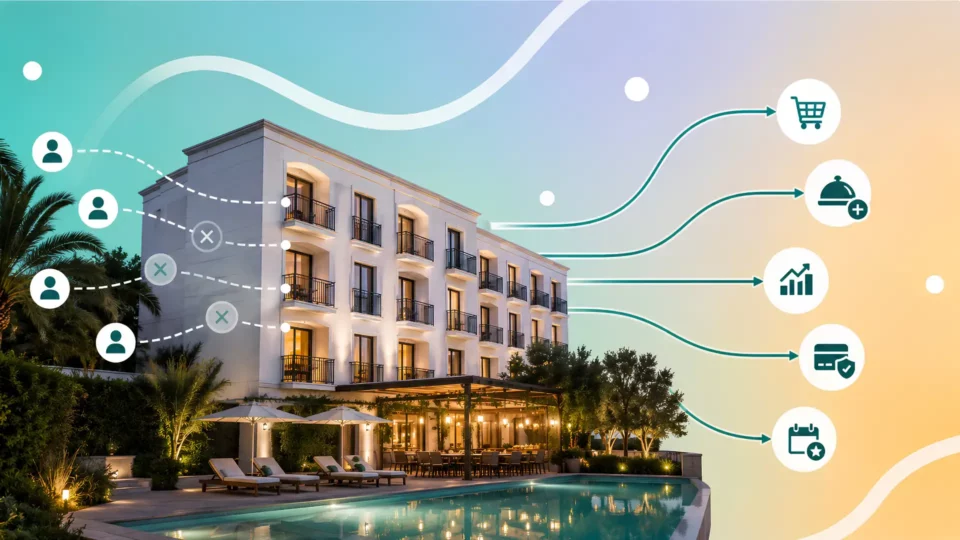
RoomRaccoon integrates housekeeping directly within its all-in-one hotel management platform, connecting operational workflows with reservation data from the PMS, Channel Manager, and Booking Engine. When bookings change, cleaning tasks and room status updates adjust automatically within the system. This integrated approach allows accommodation providers to coordinate front desk operations, housekeeping tasks, maintenance reporting, and distribution management within a single cloud-based environment designed for modern hotel operations.