



















Hotel Amenities: A Practical Checklist for South African Hoteliers
Share this post

Hotel amenities are the products, features and services that make a guest’s stay more comfortable and convenient. Examples include toiletries, Wi-Fi, tea and coffee facilities, parking, swimming pools and spa treatments. Some are included in the room rate; others are optional paid extras. The right selection depends on your guests, your property and what your team can consistently deliver.
For a South African hotel, guesthouse or lodge, a useful amenities list starts with everyday needs. Can guests sleep comfortably, charge their devices, connect to the internet and understand what is included? Get those details right before investing in extras that are expensive to maintain.
This checklist helps you decide what to provide, where a premium option makes sense and how to turn an advertised amenity into a reliable guest experience.
Hotel amenities, facilities and paid extras: what is the difference?
Amenities is a broad term for features that add comfort or convenience. Facilities usually describes physical spaces, such as a gym, restaurant or meeting room. Paid extras are optional purchases, such as an airport transfer, a massage or a breakfast basket.
These categories can overlap. A swimming pool is a facility and an amenity. Breakfast may be included in one rate plan and sold separately with another. For guests, the important distinction is whether they can use something, when it is available and whether it costs extra.

Hotel amenities checklist: what should you provide?
Use this list to review your current offering. It is a planning checklist, not a requirement to provide every item. Record which amenities are available in every room, which belong to selected room categories and which require advance booking.
| Area | Amenities to consider | What to check before advertising |
|---|---|---|
| Sleep and comfort | Comfortable bedding, spare blankets, suitable pillows, curtains and climate control. | Can guests control light and temperature? Does each advertised room type have the promised equipment? |
| Bathroom | Clean towels, soap, shampoo, a hairdryer and space for personal belongings. | Are dispensers working, supplies replenished and fixtures in good condition? |
| Connectivity and entertainment | Wi-Fi, accessible charging points, plug adaptors and a television. | Does the connection work inside guest rooms? Are instructions easy to find? |
| Food and refreshments | Tea and coffee, drinking water, breakfast, minibar items or room service. | Which items are included? What are the service hours, prices and ordering deadlines? |
| Work and practical needs | A desk, suitable chair, task lighting, ironing facilities and laundry services. | Can guests work comfortably? Is borrowed equipment available when requested? |
| Arrival and transport | Parking, luggage storage, transfers and clear arrival instructions. | Is parking on-site or nearby? Are spaces limited, and must transfers be booked? |
| Leisure and wellness | A pool, gym, spa treatments, sauna or local activities. | Are opening hours, maintenance closures, booking requirements and access conditions clear? |
| Families and pets | Cots, high chairs, suitable room layouts, pet beds and water bowls. | Which rooms qualify? What must be reserved, and are there additional charges? |
On smaller screens, scroll sideways to view all columns.
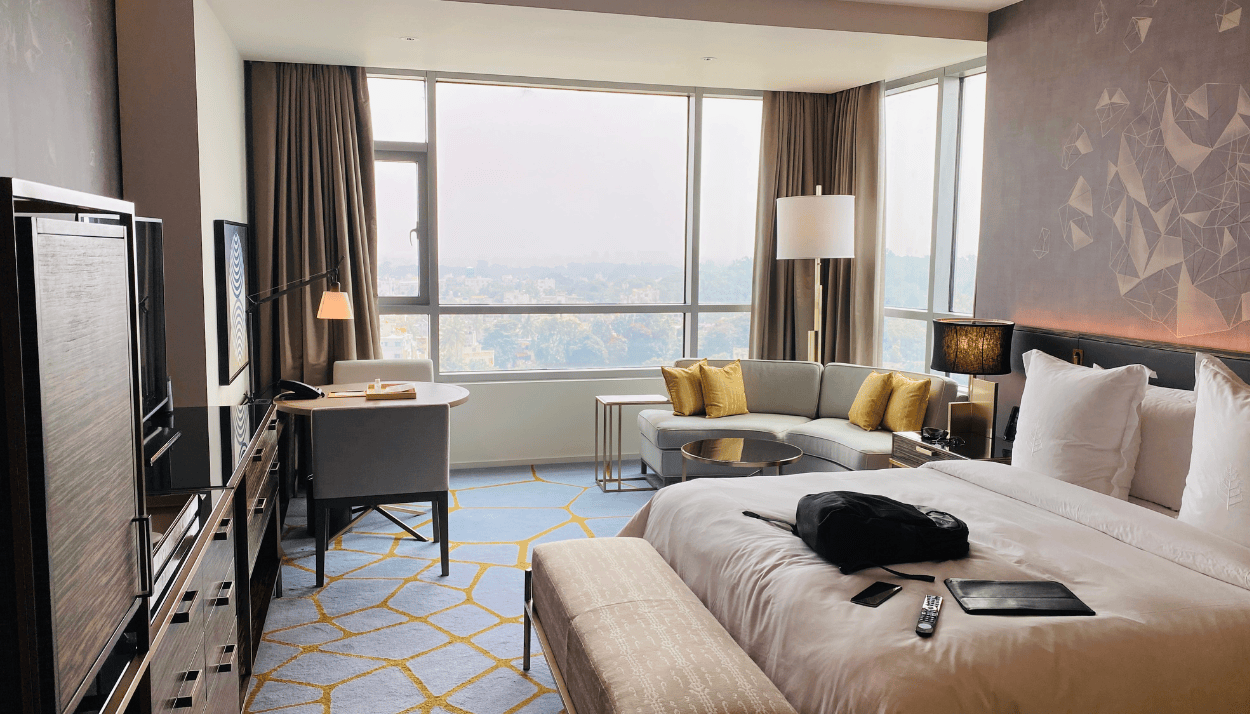
Make practical details useful for South African stays
Describe what your property actually provides. If you have backup power, explain which services it supports: Wi-Fi and selected lights may remain available while air conditioning does not. Avoid a broad promise of uninterrupted service unless your setup supports it.
For international visitors, specify whether plug adaptors are supplied or available to borrow. For self-drive guests, describe parking arrangements and arrival access. A remote lodge should explain connectivity coverage so guests can plan around it.
Describe accessibility with specific information
Guests need more detail than “accessible facilities”. Explain relevant features such as step-free routes, lift access, shower arrangements and the location of parking. Provide a contact route for questions about measurements or individual requirements, and confirm the suitable room before arrival.
How do you choose amenities that suit your guests?
Start with questions and requests your team already receives. Review guest feedback, booking enquiries and reception notes to identify recurring needs. Then choose a small number of improvements that solve those needs within your budget.
- Business stays: prioritise a usable workspace, dependable connectivity and breakfast or transport arrangements that fit early departures.
- Family holidays: make cot availability, room layouts, meal options and laundry arrangements easy to understand before booking.
- Couples’ breaks: consider a local welcome gift, a bookable dining experience or a private outdoor space where the property supports it.
- Lodge stays: match refreshments and packed meals to activity schedules, and explain what is already included in the package.
- Longer stays: check whether guests need more storage, a fridge, laundry access or a comfortable place to work.
For example, a Winelands guesthouse could offer a pre-booked local picnic, while a city hotel might test an early breakfast option. These are ideas to evaluate with your own guests, not a reason to expand every service at once.

Choose luxury amenities you can deliver consistently
Luxury options may include premium toiletries, robes, a pillow selection, concierge assistance, spa treatments or private dining. Their value depends on the quality of delivery. A carefully prepared welcome and a well-maintained room can be more convincing than a long list of services that are difficult to book.
Smaller properties can work with local providers for selected experiences. Confirm availability, booking responsibility and cancellation arrangements before presenting those services to guests.
Which amenities should be included, and which can be paid extras?
Keep the essentials promised by your room description and rate plan included. Consider charging separately for optional services with a clear additional benefit, such as a transfer, spa treatment or prepared picnic. Show the price and conditions before the guest commits.
Breakfast, parking and late check-out need particular care because their inclusion varies between properties and packages. State whether a charge applies per person, per room, per night or per booking. If a guest has already booked breakfast as part of a package, do not present it as an additional purchase.
For a picnic basket, state how many people it serves, what is included, the total price, the ordering deadline and the collection time. Explain how dietary requests are handled and whether the order requires confirmation.
Limit offers to what you can fulfil. Late check-out depends on the next arrival and housekeeping schedule. A massage requires an available appointment. Software can help present an offer, but your operating process must support the promise.
For a broader approach to presenting upgrades and extras, see our guide to hotel upselling techniques.
How do you manage amenity costs and daily delivery?
Give every amenity an owner
For each item or service, assign responsibility for stocking, checking, preparing and delivering it. Include room amenities in the room inspection process, and make sure reception knows about unavailable equipment or temporary closures.
A simple working record should include:
- The rooms or rate plans where the amenity is included.
- Stock levels, supplier lead times and the point at which to reorder.
- The team responsible for delivery and the preparation deadline.
- Any booking limits, service hours or guest instructions.
- The action to take when the promised item is unavailable.
If room preparation is difficult to coordinate, explore RoomRaccoon’s housekeeping software alongside your existing inspection and replenishment process.
Compare the full cost of supplies
Request samples before committing to a toiletries range. Compare order quantities, delivery charges, lead times and replacement availability as well as the unit price. A cheaper product may be less useful if it requires more storage than you have or cannot be replenished reliably during busy periods.
For refillable products, establish a cleaning and replenishment procedure. Describe specific environmental measures, such as refillable dispensers or reduced packaging, rather than making broad claims that every amenity is sustainable.
Measure use, cost and guest response
Review a trial amenity over a defined period. For an included item, track consumption, replacement costs and guest feedback. For a paid extra, track purchases, refunds, preparation time and delivery problems.
Compare sales income with the associated product, labour and other delivery costs. Higher add-on revenue does not automatically mean higher profit. Keep options that guests value and your team can deliver well; revise or remove those that repeatedly cause waste or complaints.
How can RoomRaccoon help you offer amenities and extras?
RoomRaccoon supports different moments in the guest journey. Its hotel booking engine enables direct reservations and bookable extras. RaccoonUpsell presents optional upgrades and extras during online check-in.
That distinction helps you plan what guests see when they book and what may be useful closer to arrival. Start with a concise selection, such as breakfast, a welcome package or a suitable room upgrade, rather than presenting every possible service.

During a demonstration, ask the team to walk through one of your actual offers. Check how its description, price and charging basis appear to guests, where the purchase is recorded and how staff know what to prepare. Confirm package requirements and how availability-limited services should be handled.
Frequently asked questions about hotel amenities
Are hotel amenities always free?
No. Some amenities are included in the room rate, while others cost extra. The room description and rate conditions should make that distinction clear. Avoid describing something as complimentary if guests must pay a separate charge to use it.
What is the difference between room amenities and hotel amenities?
Room amenities are provided inside a guest room, such as toiletries, a kettle or a hairdryer. Hotel amenities also include shared features and services, such as a pool, parking, a restaurant or luggage storage.
Which amenities should a small guesthouse prioritise?
Begin with the basics you can provide reliably: comfortable bedding, clean bathroom supplies, suitable lighting, refreshments and clear arrival information. Use guest feedback to decide whether the next improvement should be connectivity, a workspace, breakfast flexibility or another practical need.
How should hotels communicate unavailable amenities?
Update the places where the amenity is advertised and contact affected guests before arrival where possible. Explain what is unavailable, the expected duration and any alternative you can offer. Make sure the reception team gives the same information.
How can a hotel promote amenities without overwhelming guests?
Show the main inclusions alongside each room and rate, then present a short selection of relevant optional extras. Use accurate photographs, specific descriptions and visible prices. Keep practical information, such as opening hours and booking deadlines, easy to find.
See how your hotel could offer extras with RoomRaccoon
Bring your amenities list and two or three paid extras to a demo. See how guests can book extras, explore offers during online check-in and discover what your team needs to manage delivery.
Follow us


Michael

Subscribe to our newsletter for more on the latest hospitality & RoomRaccoon updates delivered straight to your inbox!


