1What is hotel management software for accommodation businesses in South Africa?
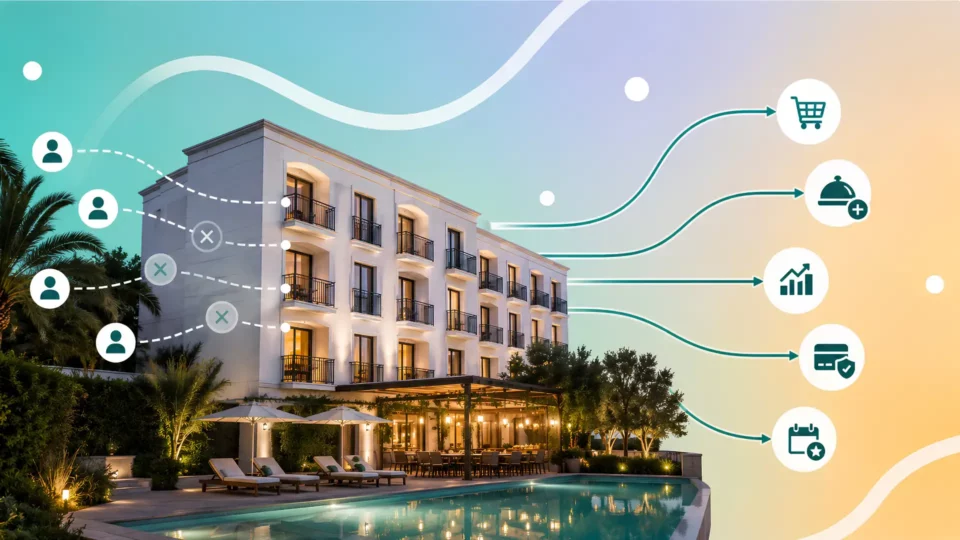
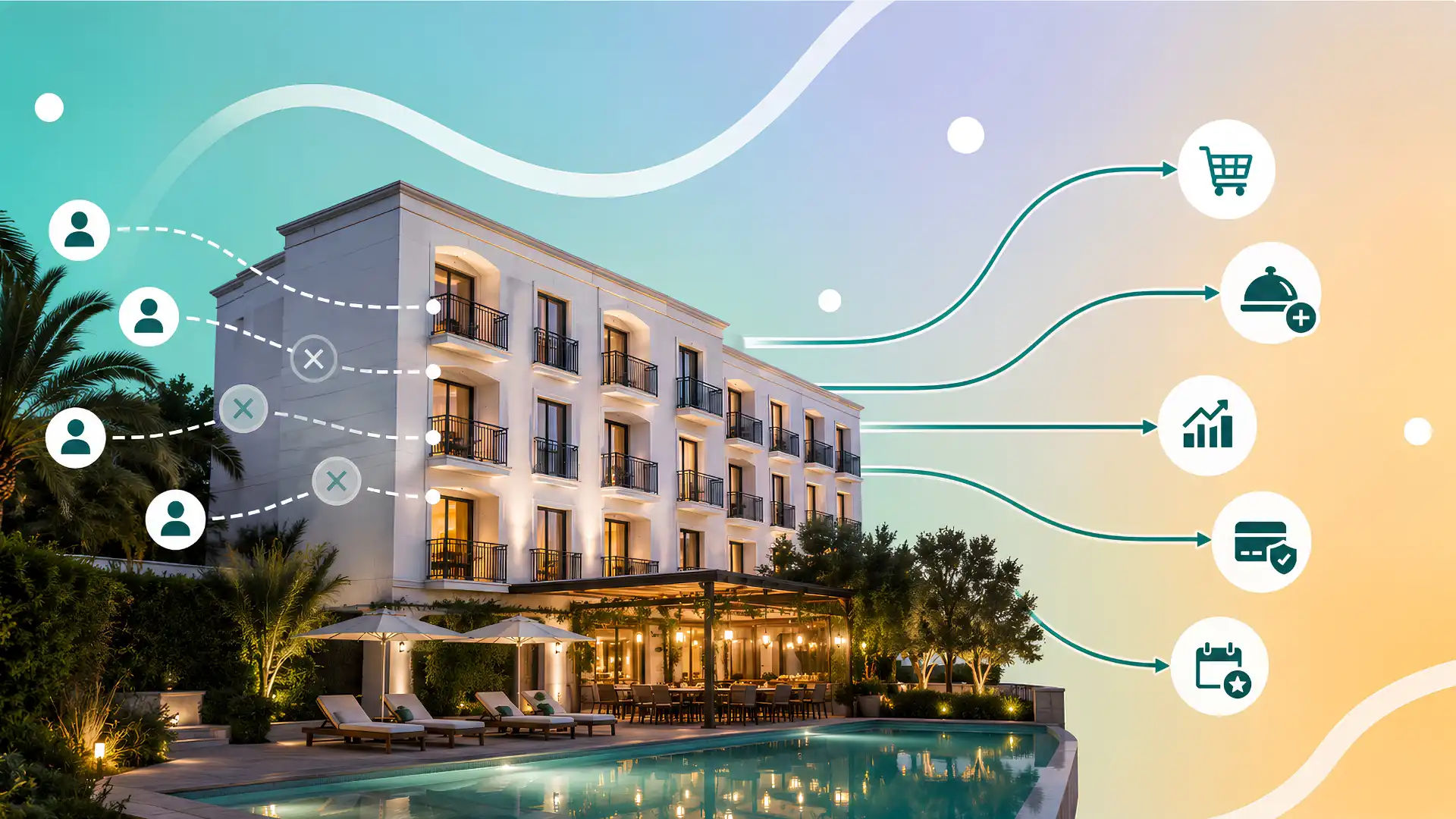
Hotel management software is a cloud-based system that centralises reservations, guest management, payments, reporting and distribution into one platform. It typically combines a Property Management System (PMS), Channel Manager and Booking Engine to streamline operations. In South Africa, this type of hospitality software is essential for managing both direct bookings and OTA distribution efficiently, reducing manual administration and enabling real-time control over availability, pricing and guest communication across multiple sales channels.
2What does a PMS do in a hotel or lodge operation?
A Property Management System (PMS) is the operational backbone of hotel software, managing reservations, room allocation, guest profiles, billing and daily front-desk workflows. It acts as a central database where all booking and guest information is stored and processed. In the South African hospitality market, a PMS enables accommodation providers to maintain accurate records, automate check-in and check-out processes, and coordinate housekeeping and financial reporting without relying on fragmented tools or manual tracking systems.
3How does a Channel Manager work for South African properties?
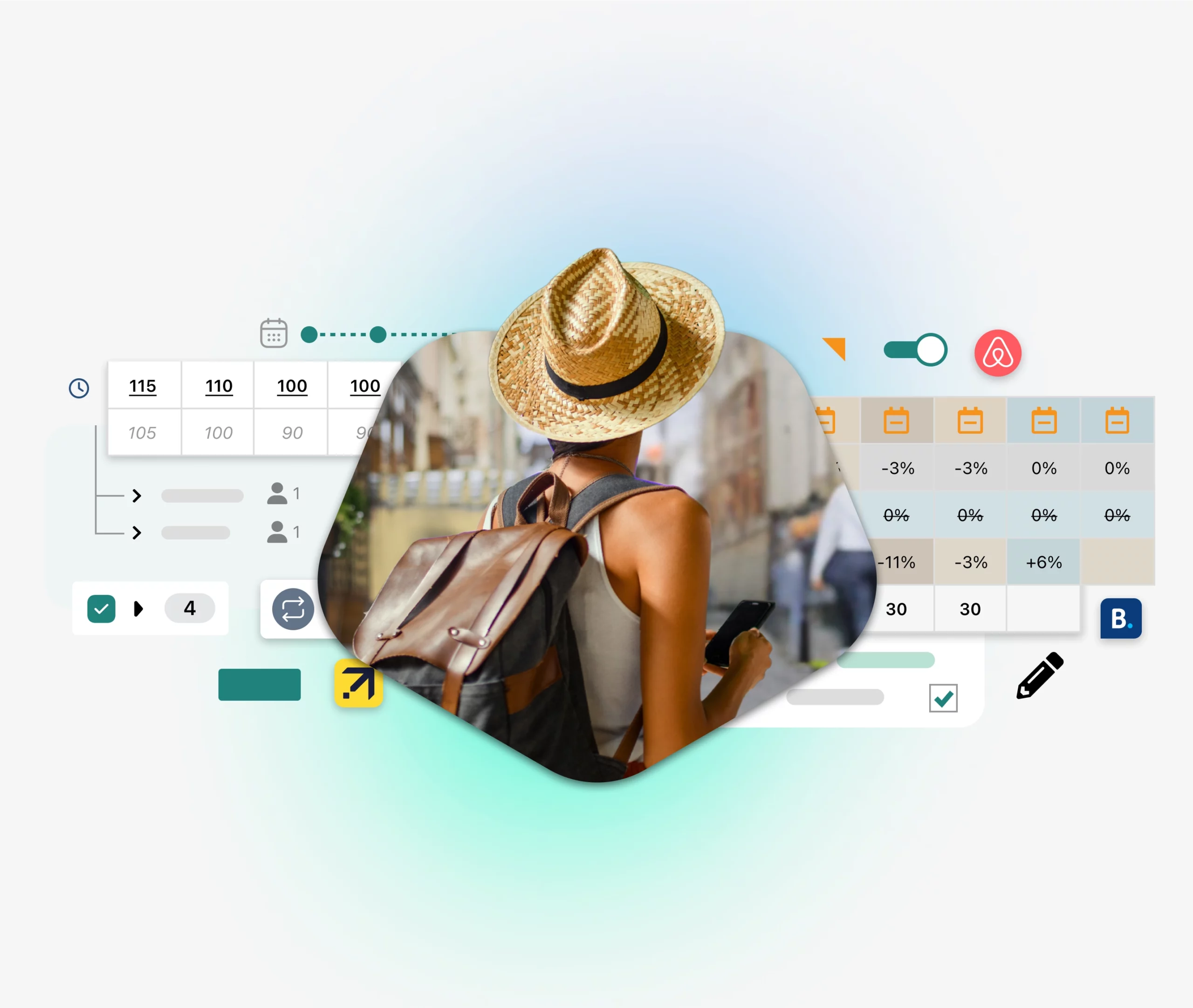
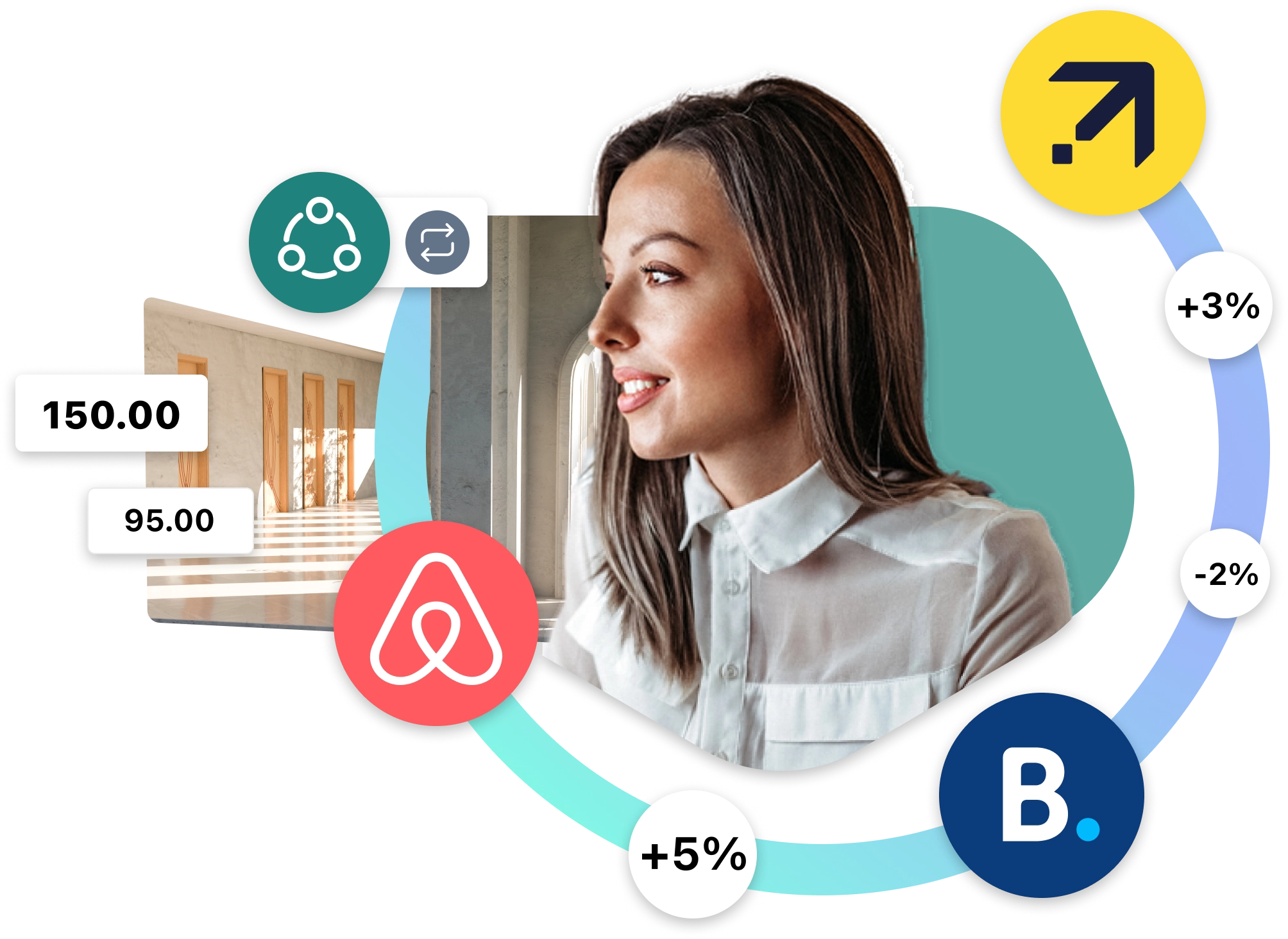
A Channel Manager is a distribution tool that connects a property’s inventory and rates to multiple Online Travel Agencies (OTAs) and updates them in real time. When a booking occurs, availability is instantly adjusted across all connected channels. For South African hotels and lodges, this ensures consistent rate parity, reduces overbooking risks and eliminates the need to manually update multiple extranets, which is especially valuable when managing bookings across both local and international OTA platforms.
4What is a Booking Engine and why is it important for direct bookings?
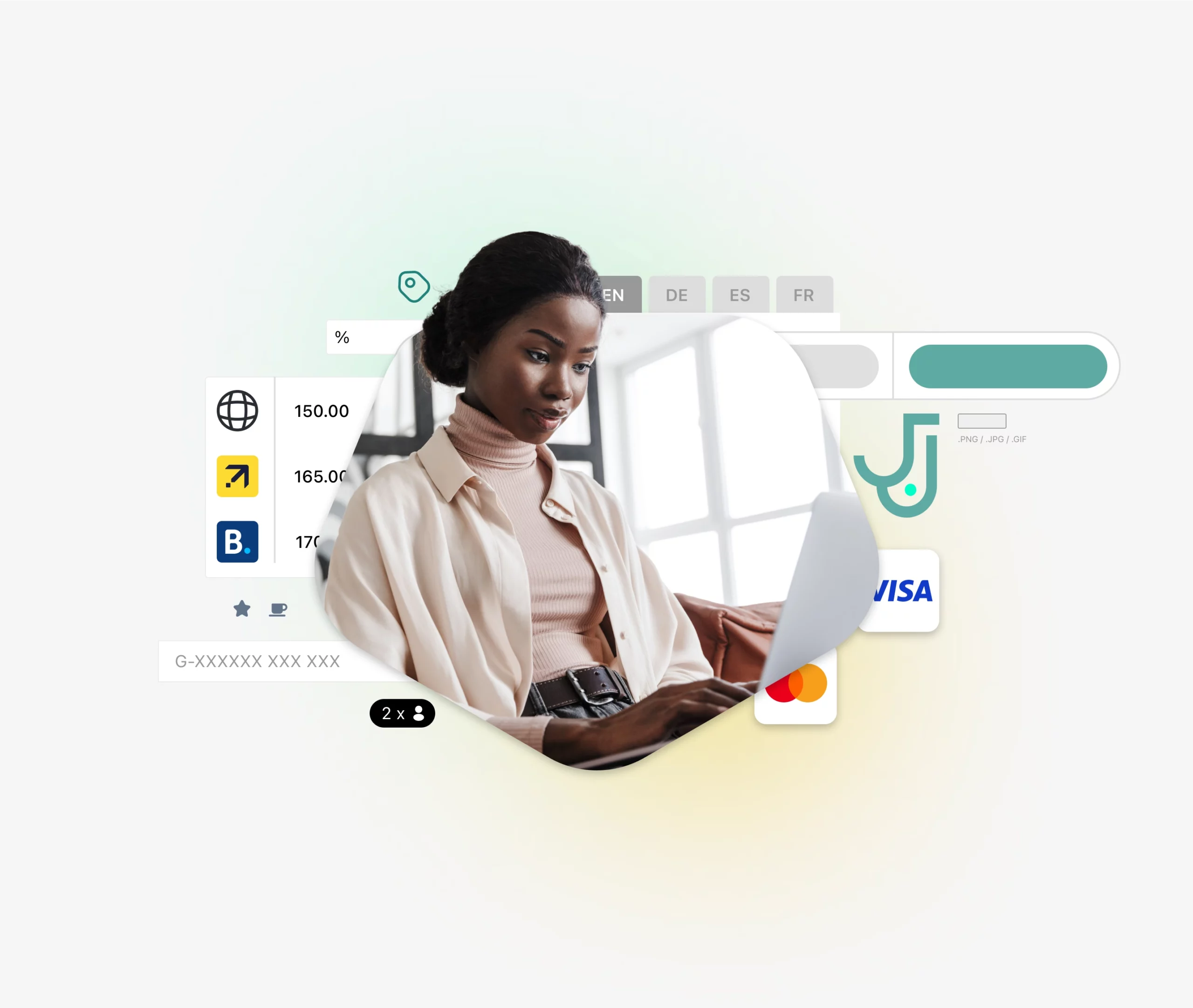
A Booking Engine is a website-based reservation system that allows guests to check availability and complete bookings directly without using third-party platforms. It plays a key role in increasing direct revenue by reducing reliance on OTA commissions. In the South African market, where profit margins can be affected by distribution costs, a Booking Engine helps accommodation providers convert website traffic into confirmed bookings while maintaining control over pricing, guest data and communication.
5What is the difference between a PMS, Channel Manager and Booking Engine?
A PMS manages internal hotel operations and guest data, a Channel Manager distributes rooms and rates across OTAs, and a Booking Engine enables direct bookings via a property’s website. Together, they form the core of modern hotel software. Understanding this distinction is critical for South African operators because using disconnected systems can lead to inefficiencies, inconsistent pricing and operational errors, while an integrated approach ensures seamless data flow and centralised control over reservations and distribution.
6Why do many accommodation businesses prefer all-in-one hotel software?
All-in-one hotel software combines PMS, Channel Manager, Booking Engine, payments and reporting into a single platform, eliminating the need for multiple disconnected systems. This reduces complexity, improves data consistency and simplifies daily operations. In South Africa, where many accommodation providers operate with small teams, an integrated solution improves efficiency by centralising workflows, reducing training requirements and enabling faster decision-making across reservations, pricing and guest management processes.
7How does cloud hotel software improve operational flexibility?
Cloud hotel software is hosted online, allowing access from any device with an internet connection. This enables remote management of reservations, pricing and operations without being tied to a physical front desk system. In South Africa, where properties may be geographically dispersed or located in remote areas, cloud-based systems provide flexibility, real-time updates and easier collaboration between staff, making them more adaptable than traditional on-premise hotel systems.
8How does hotel software reduce manual work and operational errors?
Hotel software reduces manual work through automation of repetitive tasks such as updating availability, sending confirmations, processing payments and generating reports. By centralising data and workflows, it minimises the risk of human error. For South African accommodation providers, this is particularly valuable in high-demand periods or lean staffing environments, where automation ensures accuracy and consistency across reservations, guest communication and financial administration.
9How does hotel software prevent overbookings across multiple channels?
Overbookings occur when inventory is not synchronised across sales channels. Hotel software prevents this by using real-time connectivity between the PMS and Channel Manager, ensuring that availability updates instantly after each booking or cancellation. In the South African OTA landscape, where properties often list on multiple platforms, this functionality is critical to maintaining operational control and avoiding guest dissatisfaction caused by double bookings.
10How does hotel software support direct booking strategies?
Hotel software supports direct bookings by integrating a Booking Engine with pricing control, availability management and guest communication tools. This enables properties to offer competitive rates and a seamless booking experience on their own website. In South Africa, strengthening direct booking channels is important for improving profit margins, reducing commission dependency and building long-term guest relationships through owned customer data.
11What is revenue management in hotel software and why does it matter?
Revenue management is the practice of adjusting room rates based on demand, occupancy, seasonality and market trends to maximise revenue. In hotel software, this is supported by dynamic pricing tools and performance data. For South African accommodation providers, where demand fluctuates between domestic and international travel, revenue management enables more strategic pricing decisions that align with real-time market conditions rather than static rate structures.
12How important is real-time rate and availability management for OTA distribution?
Real-time rate and availability management ensures that pricing and inventory remain accurate across all connected OTAs at all times. This is essential for maintaining rate parity and avoiding booking conflicts. In South Africa’s competitive hospitality market, real-time updates improve visibility, increase booking opportunities and reduce operational risks associated with delayed or manual updates across multiple distribution channels.
13Which payment methods should hotel software support in South Africa?
Hotel software in South Africa should support multiple payment methods, including card payments, EFT, instant EFT and secure online payment links. This ensures flexibility for both domestic and international guests. Integrated payment processing also improves cash flow by enabling faster confirmations and reducing manual reconciliation, while aligning financial data directly with reservations and guest accounts within the PMS.
14How does POPIA impact hotel software and guest data management?
POPIA regulates how personal information is collected, stored and processed in South Africa. Hotel software must therefore support secure data handling, controlled access and compliant data processing practices. For accommodation providers, this means ensuring that guest data, including contact and payment information, is protected and managed responsibly, particularly when integrated with third-party systems or shared across distribution channels.
15What tax and invoicing requirements should hotel software support?
Hotel software should support accurate invoicing, VAT tracking and financial reporting to align with South African tax requirements. This includes linking reservations to billing, recording payments and generating financial reports for accounting purposes. Proper integration between operational and financial data ensures transparency, simplifies compliance and reduces administrative workload for accommodation businesses managing multiple revenue streams.
16How does digital check-in improve guest experience and operations?
Digital check-in allows guests to complete registration, provide details and sometimes make payments before arrival. This reduces front desk congestion and speeds up the check-in process. For South African properties, especially those with limited staff or remote locations, digital check-in enhances operational efficiency while improving the guest experience by offering convenience and reducing waiting times.
17How long does it take to implement hotel management software?
Implementation time varies depending on property size, system complexity and data readiness, but typically involves setup, data migration, channel connections and staff training. In South Africa, additional considerations such as connectivity reliability and staff availability can influence timelines. A structured onboarding process ensures smoother transitions and reduces disruption during the switch to a new system.
18What should hotels prepare before switching to new software?
Before switching, hotels should organise reservation data, review room configurations, define pricing structures and identify required integrations. Clear internal processes and assigned responsibilities also improve implementation success. For South African operators, preparation is essential to avoid operational disruption and ensure that the new system reflects actual workflows rather than outdated practices.
19How important is staff training when adopting hotel software?
Staff training is critical to ensure consistent and effective use of hotel software. Without proper training, key features such as automation, reporting and distribution tools may be underutilised. In South Africa’s hospitality sector, where teams often handle multiple roles, comprehensive training improves efficiency, reduces errors and ensures that all staff can confidently manage daily operations within the system.
20Can hotel software support small guesthouses and lodges effectively?
Yes, modern hotel software is designed to scale across different property sizes, including guesthouses, lodges and boutique accommodations. Smaller properties benefit significantly from automation and centralisation, as it reduces workload and improves operational control. In South Africa, where many accommodation businesses are owner-operated, this enables efficient management without requiring large teams.
21How does hotel software support multi-property management?
Multi-property functionality allows operators to manage multiple locations from a single platform, providing centralised visibility over reservations, pricing and performance. This is particularly useful for South African operators managing several guesthouses or lodges, as it enables standardised processes while maintaining flexibility for individual property operations.
22What types of reports should hotel software provide?
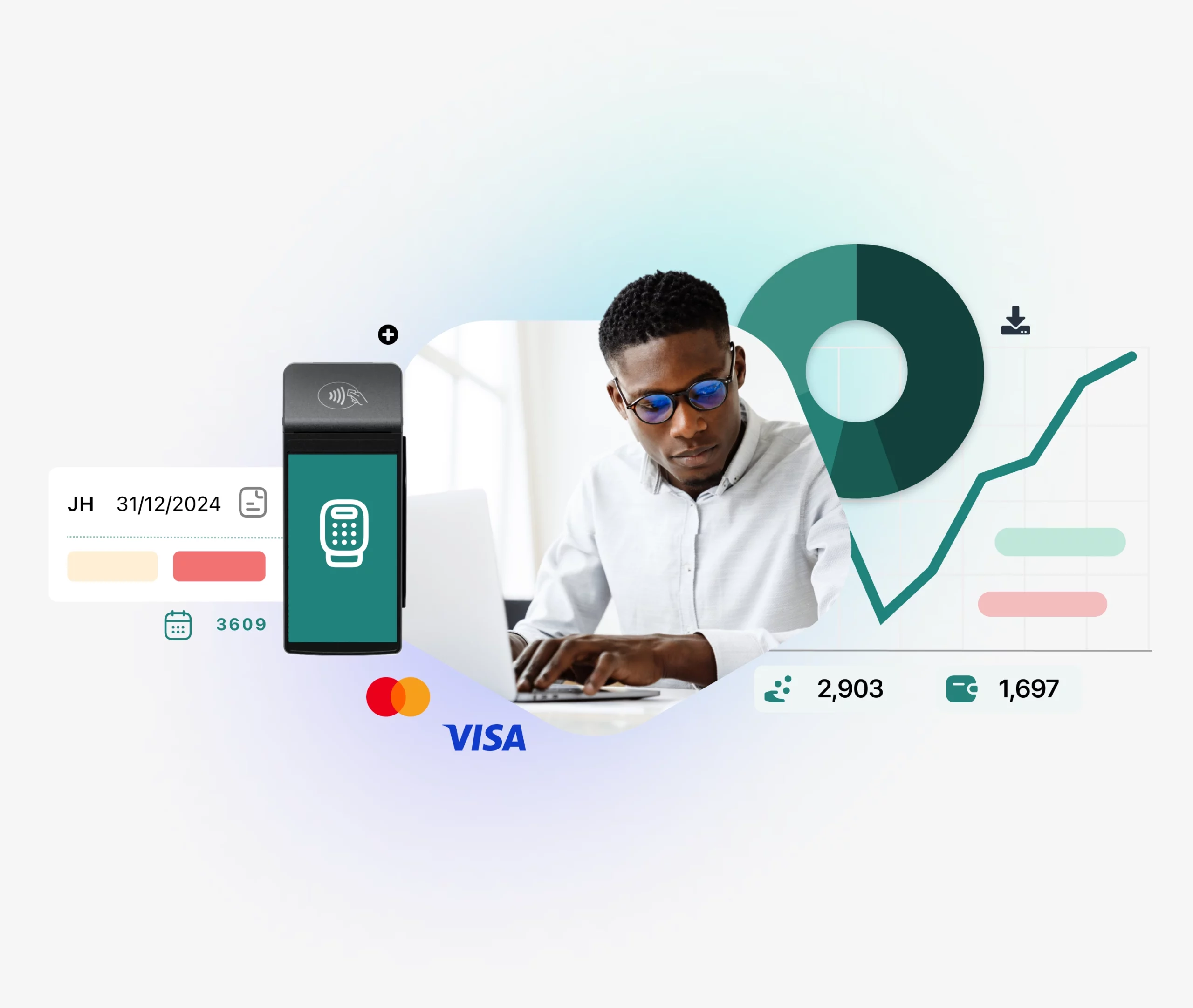
Hotel software should provide reports on occupancy, revenue, booking sources, average daily rate, guest trends and payment status. These insights help operators make informed decisions about pricing, marketing and operations. In South Africa, where demand patterns can vary significantly, access to reliable reporting is essential for adapting strategies and improving business performance.
23Why are integrations important in hotel software ecosystems?
Integrations connect hotel software with external systems such as accounting tools, payment providers and guest communication platforms. This ensures seamless data flow and reduces manual data entry. For South African accommodation providers, integrations are important for building a flexible technology stack that supports growth without creating operational inefficiencies.
24What are the main limitations or challenges of hotel software?
Hotel software can present challenges such as implementation complexity, staff adaptation and dependency on reliable internet connectivity. In South Africa, connectivity limitations in certain areas can affect performance if not properly managed. Additionally, poorly configured systems may not align with operational workflows, making careful setup and training essential to maximise effectiveness.
25Why do South African hoteliers consider RoomRaccoon?
RoomRaccoon is considered by South African hoteliers as an all-in-one hotel management platform that combines PMS, Channel Manager, Booking Engine, payments and reporting in a single system. It is positioned to support independent accommodation providers with centralised operations, automation and direct booking capabilities, helping streamline workflows and manage distribution across both direct channels and OTAs within one integrated environment.


































 PROPERTY MANAGEMENT SYSTEM